Prostate Care
Over half of all men are affected by prostate problems at some point in their lives, with illnesses ranging from enlarged prostate to prostatitis to prostate cancer. All of these disorders can be uncomfortable, painful and even life threatening. With a wide range of treatment options to cover all stages of disease, our urologists bring you relief using drug therapy, minimally invasive laser treatment and surgery..
What is Benign Prostatic Hyperplasia (BPH) OR Prostatic Enlargement?
Benign prostatic hyperplasia (BPH) is a non-cancerous swelling of the prostate gland. It is a common urological disorder in men over 50 years old. This swelling of the prostate causes the urethra, the tube that passes the urine out of the penis, to be squeezed and narrowed. This blocks the flow of urine out of the bladder and more pressure is needed to pass urine.
The bladder starts to contract (tense) even when it is not completely full, and eventually loses its ability to empty itself. The symptoms of BPH are linked with the narrowing of the urethra and the incomplete emptying of the bladder.
SYMPTOMS
Common symptoms of BPH include:
- Blood in the urine
- Greater pressure and straining needed to begin urinating
- Hesitant and interrupted urination
- Sensation that the bladder is not completely emptied after urination
- Sudden inability to urinate (acute retention of urine)
- Sudden urgent need to urinate
- Urinating more frequently, especially at night
- Urine leakage
TREATMENTS OF BPH
Several treatments are available for BPH. Your doctor will evaluate your condition and suggest the most appropriate treatment, depending on your age, the severity of BPH, and your general health. The treatment options include:
- Drug treatment, which includes 2 broad categories of medication:
- Drugs that relax the prostate to reduce the blockage of the bladder opening
- Drugs that block the production of the male hormone (DHT) which is involved in prostate enlargement
- Surgical treatment to remove the parts of the swollen prostate that are pressing against the urethra. Different surgical methods can be used:
- Open surgery is used when the prostate is too large
- Transurethral resection of the prostate
- Laser Surgery
Holmium Laser Enucleation of the Prostate (HoLEP)
What is TURP:
TURP is surgery to remove all or part of the prostate glandIt is most common surgical procedure to remove BPH a non cancerous growth of prostate.
How is TURP done
Transurethral resection of the prostate takes less than 90 minutes. A general or regional anesthesia may be used. During the procedure the surgeon inserts a thin tube-like telescope called a resectoscope into the penis through the urethra and up to the prostate gland. An electrical loop at the end of the scope is used to remove obstructing prostate tissue and seal blood vessels. The area then is irrigated and all tissue is removed. A hospital stay of three days is normally required during which time a catheter will remain in place to remove urine and any remaining debris from surgery.
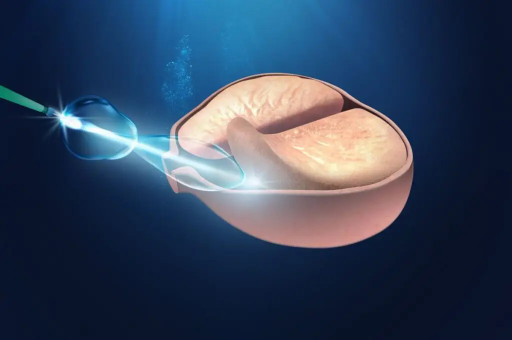
What is HoLEP
Holmium Laser Enucleation of the Prostate (HoLEP) Holmium laser enucleation of the prostate (HoLEP) is a treatment for men with benign prostatic hyperplasia (BPH). The laser surgery removes blockages of urine flow. This treatment is done without any incisions on the body. The operation, on average, takes 45-90 minutes, depending on the size of your prostate.
Is HoLEP better than TURP
patients undergoing HoLEP benefit from significantly shortened catheterization times, decreased length of hospital stay (LOS), and fewer serious post-operative complications.Patients undergoing HoLEP generally have fewer chance of recurrence too