WORLD PATIENT SAFETY DAY
World Patient Safety Day- Safe care for noncommunicable diseases
Continue ReadingServing Nation in Healthcare


World Patient Safety Day- Safe care for noncommunicable diseases
Continue Reading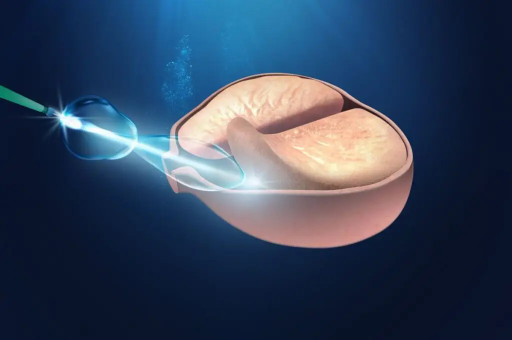
Benign prostatic hyperplasia (BPH) is a non-cancerous swelling of the prostate gland. It is a common urological disorder in men over 50 years old. This swelling of the prostate causes the urethra, the tube that passes the urine out of the penis, to be squeezed and narrowed. This blocks the flow of urine out of the bladder and more pressure is needed to pass urine.
Continue Reading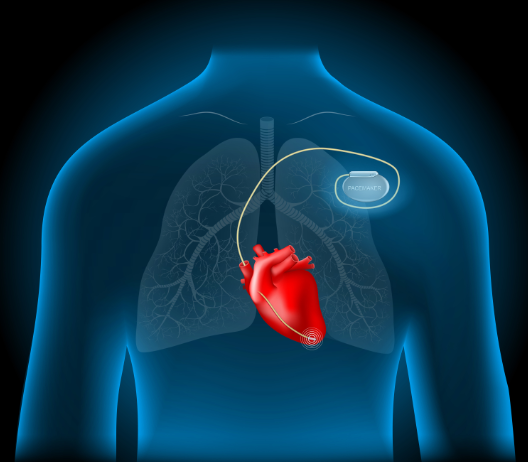
Heart Arrhythmia refers to an irregular heartbeat. Some Arrhythmias have no significant consequences, though other types can be life threatening. The severity of the consequences depends on how long the arrhythmia lasts for, how irregular it is and how it affects blood flow and blood pressure.
Continue Reading
(HTN or HT), also known as high blood pressure (HBP), is a long-term medical condition in which the blood pressure in the arteries is persistently elevated. Usually hypertension is defined as blood pressure above 140/90 , and is considered severe if the pressure is above 180/120.High blood pressure typically does not cause symptoms. Over time, if untreated, it can cause health conditions, such as heart disease and stroke.
Continue Reading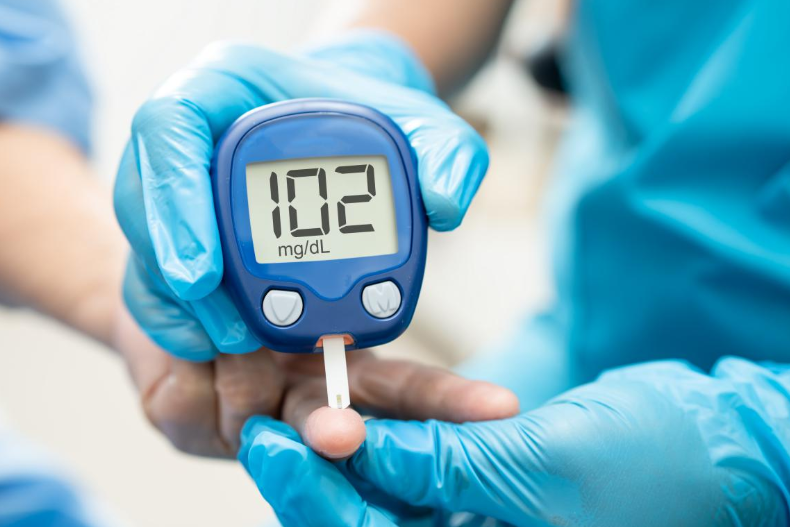
Diabetes is a chronic condition characterised by high blood glucose levels (hyperglycaemia). Diabetes occurs when the pancreas loses its ability to produce enough insulin (a type of hormone), or when the body does not respond to insulin action. When blood glucose (sugar) levels increase, after we eat, the pancreas secretes insulin to help body cells convert glucose into energy, or to store it.
Continue Reading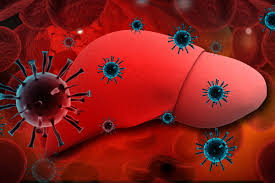
Hepatitis refers to the swelling of the liver. It can be caused by viral infections, chemicals, drug abuse, some medications and immune disorders. There are several forms of viral hepatitis including hepatitis A, B and C, which are caused by hepatitis A, B, and C viruses, respectively
Continue Reading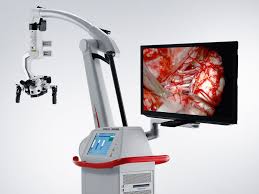
A brain tumour refers to abnormal tissue growth in the brain, it occurs when cells in the brain divide uncontrollably and produce extra tissue. A brain tumour can begin from the brain cells (primary), or it can spread to the brain from cancer cells in other parts of the body, like the breast or lung (secondary)
Continue Reading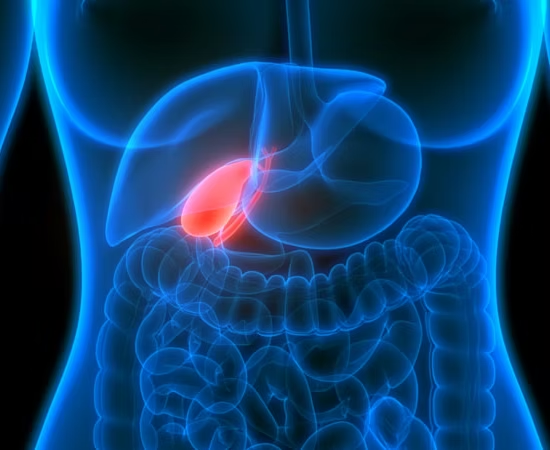
In the past, doctors made a large cut (incision) in the belly to remove the gallbladder. This is called open surgery. Today, doctors can do this surgery with tiny instruments and just a few small cuts. This is called laparoscopic surgery, because the main instrument is called a laparoscope .Minimally invasive surgery is a general term for surgery with these small instruments.
Continue Reading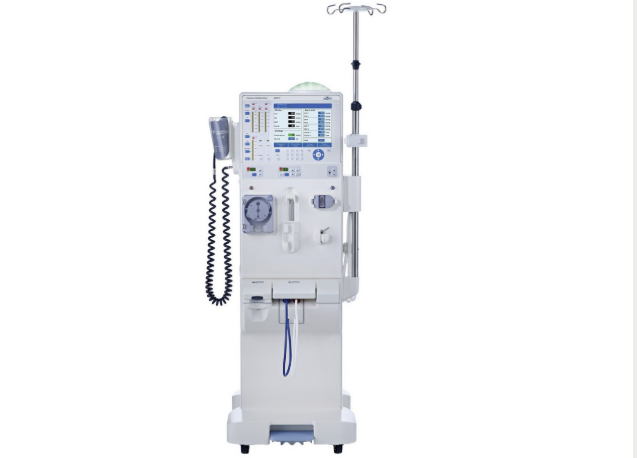
CKD (Chronic Kidney Disease) is a condition of kidneys being damaged from many potential causes, resulting in gradual and permanent loss of Kidney function over time.
Continue Reading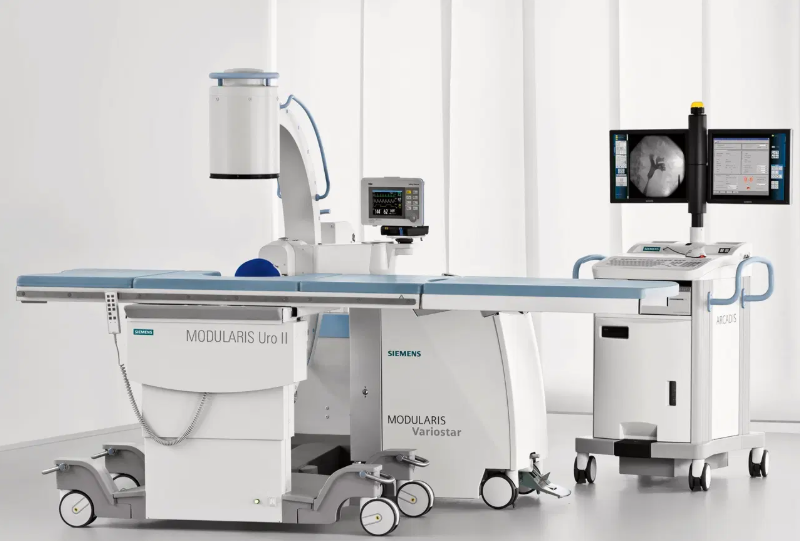
Kidney stones are urinary disorders that occur when salt or chemicals in the urine form crystals. These crystals block the flow of urine and can lead to serious complications including infection, kidney damage or even kidney failure.
Continue Reading