Kidney stones are urinary disorders that occur when salt or chemicals in the urine form crystals. These crystals block the flow of urine and can lead to serious complications including infection, kidney damage or even kidney failure. Kidney stones are made of various types of chemicals including calcium, phosphate and oxalate.
This urinary disorder affects more men than women between the ages of 20 and 40. Different types of kidney stones are made of different chemicals, and these include:
- Calcium oxalate stones or calcium phosphate stones
- Cystine stones
- Struvite stones
- Uric acid stones
Causes Of Kidney Stones
A kidney stone occurs when:
- The urine has little or none of the substances that usually prevent these minerals from becoming crystals.
- The urine contains more minerals (calcium, oxalate, phosphate, uric acid or cystine) than it can dilute.
- There is the presence of other conditions like cystic kidney diseases, urinary tract infections, and some metabolic disorder.
In addition, there are various risk factors that can increase the chances of developing kidney stones:
- Dietary factors include low intake of fluid, and high intake of salts, oxalate-rich foods (eg. peanuts, almonds, strawberries, tea and coffee) and purine-rich foods (eg. organ meats, shellfish)
- Environmental factors like living in a hot climate which causes excessive sweating, and having a low fluid intake, which leads to reduced urine volume and increased levels of minerals in the urine
- Genetic factors including a family history of kidney stones
SYMPTOMS
- Excruciating pain that comes in waves from one or both sides of the lower back
- A stomach ache that doesn’t resolve itself
- Having blood in the urine
- Having frequent urges to urinate but producing very little urine
- Nausea, vomiting
- Fever, chills
- Foul-smelling and/or cloudy urine.
Prevention:
The most common recommendation for preventing recurrence is maintaining high fluid intake (ideally producing at least 2 litres of urine daily) to dilute stone-forming substances. Kidney stones tend to recur.
TREATMENT
There are different treatment options available to treat kidney stones. Your doctor will assess your condition and suggest the appropriate treatment for you, depending on the size and type of your kidney stone(s).
If your kidney stones are small:
- No treatment is needed. With plenty of water, the stones may eventually pass out in the urine
- Pain killers may be prescribed to ease any pain during the passing of the stones
If your kidney stones are too large to pass on their own, your doctor may suggest a few options for kidney stones removal. These options include:
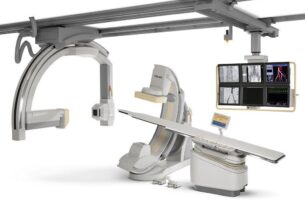
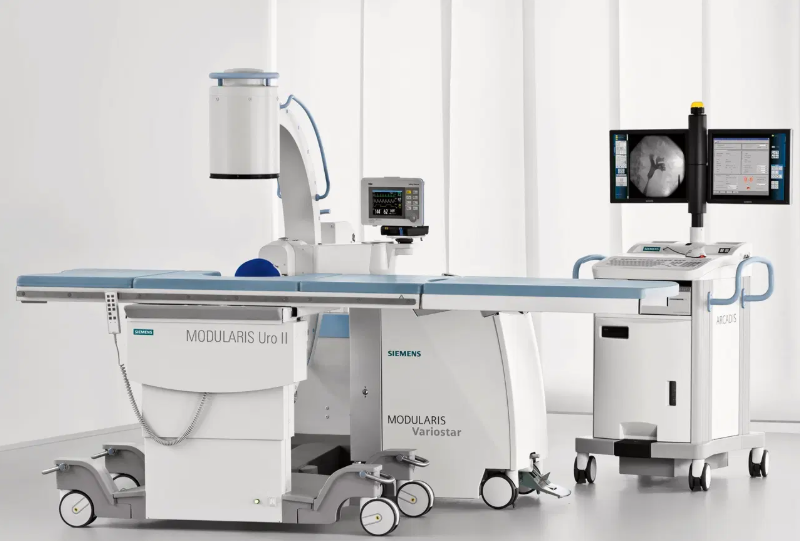
- Extracorporeal shock wave lithotripsy (ESWL) – a non-invasive treatment that sends shock waves through the skin to break down the stone into tiny fragments and dust to be flushed out in the urine This procedure is also named as Lithotripsy.
- Medication – to help break down the stones. Specific type of medication depends on the type of kidney stones
- Percutaneous nephrolithotripsy (PCNL) – a surgical procedure that involves making a small cut in the back to allow a special instrument (nephroscope) to be inserted into the kidney to locate and remove the stones
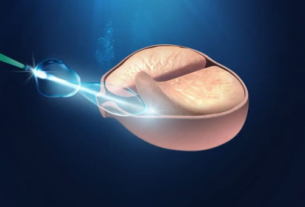
- Ureterorenoscopy (URS) – a surgical procedure where an endoscope (thin, flexible tube with a camera at the end) is inserted through the urethra, into the bladder and to the kidney to where the stone is located. The stones are then broken down and removed. With the help of Holmium Laser we can do Laser Uretroscopy.(Laser URS).