What is Hypertension
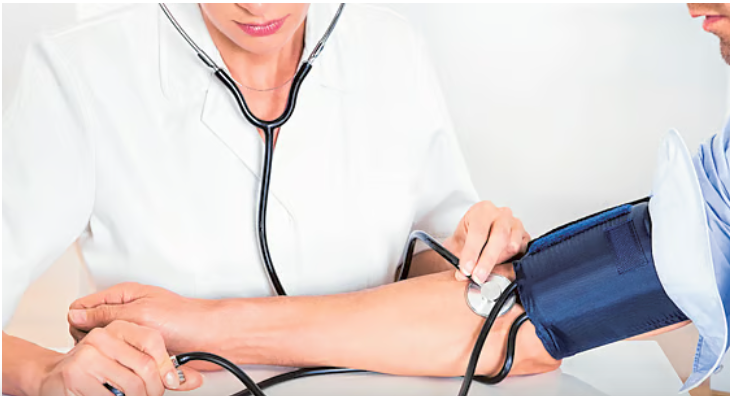
(HTN or HT), also known as high blood pressure (HBP), is a long-term medical condition in which the blood pressure in the arteries is persistently elevated. Usually hypertension is defined as blood pressure above 140/90 , and is considered severe if the pressure is above 180/120.High blood pressure typically does not cause symptoms. Over time, if untreated, it can cause health conditions, such as heart disease and stroke.
Causes Of Hypertension
The causes of Hypertension are unknown in 95% of patients. In 5% of cases, some specific conditions can be responsible for the high blood pressure, such as kidney disease, atherosclerosis and hormonal imbalance. There are also several risk factors that may increase your chances of developing hypertension including diabetes, obesity as well as a strong family history of the disease.
Symptoms of Hypertension
Hypertension usually does not lead to any symptoms, but in the long term it can damage various organs and lead to the following:
- Headache and giddiness (in severe cases)
- Heart attack
- Heart failure
- Kidney disease
- Stroke
Treatment Of Hypertension
Your doctor will evaluate your condition and discuss with you the range of treatment options available. These include a combination of:
- lifestyle changes to improve your general health:
- Eating a healthy diet (limit your intake of salt, cholesterol, and all fat types, and increase fibre intake)
- Exercise regularly
- Limit your alcohol consumption
- Maintain a healthy weight
- Quit smoking
- monitoring of blood pressure at home
- visiting your doctor for regular check-ups to better manage your condition and avoid any potential complications
Antihypertensive medications may also be prescribed, and these need to be taken regularly and permanently.
- Beta-blockers: Beta-blockers make your heart beat slower and with less force. This reduces the amount of blood pumped through your arteries with each beat, which lowers blood pressure. It also blocks certain hormones in your body that can raise your blood pressure.
- Diuretics: High sodium levels and excess fluid in your body can increase blood pressure. Diuretics, also called water pills, help your kidneys remove excess sodium from your body. As the sodium leaves, extra fluid in your bloodstream moves into your urine, which helps lower your blood pressure.
- ACE inhibitors: Angiotensin is a chemical that causes blood vessels and artery walls to tighten and narrow. ACE (angiotensin converting enzyme) inhibitors prevent the body from producing as much of this chemical. This helps blood vessels relax and reduces blood pressure.
- Angiotensin II receptor blockers (ARBs): While ACE inhibitors aim to stop the creation of angiotensin, ARBs block angiotensin from binding with receptors. Without the chemical, blood vessels won’t tighten. That helps relax vessels and lower blood pressure.
- Calcium channel blockers: These medications block some of the calcium from entering the cardiac muscles of your heart. This leads to less forceful heartbeats and a lower blood pressure. These medicines also work in the blood vessels, causing them to relax and further lowering blood pressure.
- Alpha-2 agonists: This type of medication changes the nerve impulses that cause blood vessels to tighten. This helps blood vessels to relax, which reduces blood pressure.