BRAIN TUMOURS
A brain tumour refers to abnormal tissue growth in the brain, it occurs when cells in the brain divide uncontrollably and produce extra tissue. A brain tumour can begin from the brain cells (primary), or it can spread to the brain from cancer cells in other parts of the body, like the breast or lung (secondary). Brain tumours can be benign (non-cancerous) or malignant (cancerous).
Types Of Brain Tumours
There are different types of primary brain tumours:
- Glioma develops from the glial cells (cells that support and protect the nerves)
- Meningioma develops in the meninges (brain membranes)
- Medulloblastoma develops in the cerebellum (located at the back of the brain) and is common in children
Symptoms
Brain tumours are characterised by various symptoms, which may include any of the following:
- Change in mental state
- Loss of balance
- Loss of consciousness
- Loss of memory
- Nausea and dizziness
- Problems in vision and speech
- Regular headaches (may worsen in the morning)
- Seizures
- Weakness in one part of the body
Complications & Related Diseases
- Allergic reaction to drugs used in the treatment
- Depression
- Headaches
- Hearing loss
- Increased risk of blood clot formation
- Personality changes
- Premature menopause and infertility (potential side effects of radiotherapy and chemotherapy)
- Seizures
- Vision problems, if the brain tumour damages the nerves that connect to the visual cortex (part of the brain responsible for processing visual information)
- Weakness in one part of the body, if the brain tumour affects parts of the brain responsible for movement and strength of arms and legs
Diagnosis
MRI Brain/ MRI Brain Angio The MRI scan is an imaging test that allows physicians to assess a patient’s brain anatomy and investigate an anatomical cause of the patient’s Headache/Weakness,/Seizure /Blurring Of Vision etc. This test is done at our Diagnostic Division.Machine Used-MRI Signa HDXT 1.5T
MRI Spectroscopy– While magnetic resonance imaging (MRI) identifies the anatomical location of a tumor, MR spectroscopy compares the chemical composition of normal brain tissue with abnormal tumor tissue. This test is done at our Diagnostic Division.
Treatment
There are different treatment options available to manage brain tumours. A doctor will evaluate the condition and suggest the appropriate treatment, which could include:
- chemotherapy (given as an oral or an intravenous drug) is used to destroy cancerous brain cells
- radiotherapy uses high energy rays to destroy the tumour. There may be side effects of hair loss and tiredness during this treatment.
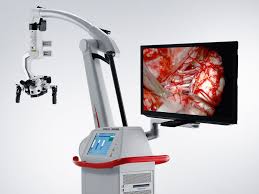
- surgery to remove part or all of the tumour, depending on the size and its location
- targeted drug therapy consisting of drugs that target specific tumour abnormalities