
Center of Excellence
Combining the best specialists and equipment to provide you nothing short of the best in healthcare.
CARDIOLOGY
Hypertension / MI (Heart Attack) /Arrythmia etc
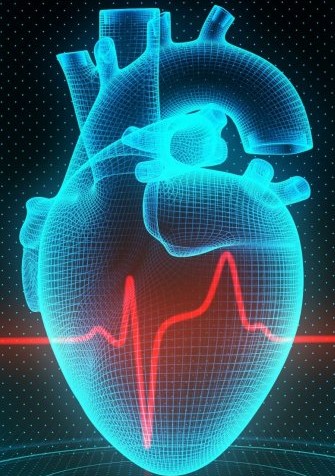
Cardiology is a complex field that needs a range of preventive care, screening, advanced diagnostic tests, invasive and non-invasive procedures, post-operative management, cardiac rehabilitation, and a full range of surgical programmes. As one of the leaders in the region for this specialty, our heart patients receive quality treatment from our specialists.
CARDIOLOGY
Hypertension / MI (Heart Attack) /Arrythmia etc
HYPERTENSION
What is Hypertension (HTN or HT), also known as high blood pressure (HBP), is a long-term medical condition in which the blood pressure in the arteries is persistently elevated. Usually hypertension is defined as blood pressure above 140/90 , and is considered severe if the pressure is above 180/120.High blood pressure typically does not cause symptoms. Over time, if untreated, it can cause health conditions, such as heart disease and stroke.
Heart Attack (Myocardial Infarction)
A Heart Attack (medically known as Myocardial Infarction) occurs when the blood flow to the heart is reduced or blocked. This blockage occurs due to the build-up of fatty deposits in the walls of the arteries supplying blood to the heart and results in a poor oxygen supply to the heart muscle. If the blood flow is not restored promptly, the affected heart tissue dies. Some patients experience chest pains when a heart attack occurs, but others present no symptoms at all. It is crucial to recognise the warning signs of a Heart Attack because it can largely be prevented.
Heart Arrhythmia
What is a Heart Arrhythmia: Heart Arrhythmia refers to an irregular heartbeat. Some Arrhythmias have no significant consequences, though other types can be life threatening. The severity of the consequences depends on how long the arrhythmia lasts for, how irregular it is and how it affects blood flow and blood pressure. Arrhythmias can cause the heart to beat too slowly (below 50 beats per minute), too quickly (greater than 100 beats per minute), or irregularly.
- Phone:033-66050999
- Email:nhni@northcityhospital.com
NEUROLOGY
CVA(Brain Stroke) / Epilepsy / Spondylosis etc
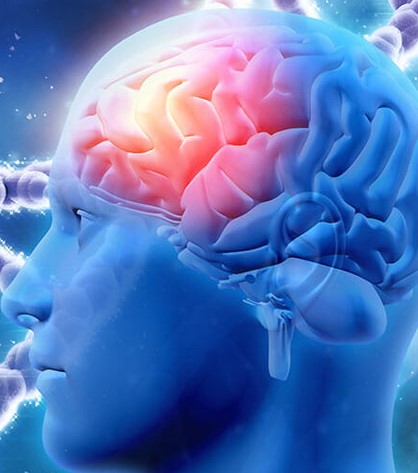
Treatment of Neurological Complications and post treatment rehabilitation is signature of our Department.Patients diagnosed with brain injury, epilepsy, sleep disorders, stroke, and neck and spine conditions seek the expertise of our neurologists. Our experienced neurologists work efficiently with radiologists to treat patients through neurosurgery and general neurology.
NEUROLOGY
CVA(Brain Stroke) / Epilepsy / Spondylosis etc
CVA
A stroke occurs when blood supply to the brain is disrupted. The arteries (blood vessels) carrying oxygen-rich blood to the brain can become blocked, this damages the part of the brain fed by these arteries. The signs of a stroke vary depending on the location and size of the affected area. In a transient ischaemic attack (TIA), known as mini-stroke, the symptoms last up to 24 hours.
There are 2 common types of strokes:
Ischaemic strokes occur when arteries supplying blood to the brain are blocked due to a build-up of cholesterol deposits, called plaques, in the walls of the arteries. These plaques can burst and lead to clot formation, which can then block blood flow to the brain.
Haemorrhagic strokes occur when the arteries in the brain burst due to high blood pressure and a brain aneurysm (balloon-like swelling in the wall of the artery).
EPILEPSY
WHAT IS EPILEPSY?
Epilepsy, also known as seizure disorder, is a neurological condition that affects the central nervous system. It is often diagnosed after someone has suffered at least 2 seizure episodes not linked with any known medical condition. These seizures usually occur when the electrical activity in the brain is disturbed. Seizures are dangerous and need treatment. There are different types of epilepsy, including:
Idiopathic generalised epilepsy: Generally appears during childhood and is often linked with a strong family history of epilepsy Idiopathic partial epilepsy: The mildest type of epilepsy, begins in childhood and may be outgrown by puberty. Symptomatic generalised epilepsy: Caused by brain damage during birth or inherited brain diseases, Symptomatic partial epilepsy : Appears in adulthood, caused by localised brain abnormality- Phone:033-66050999
- Email:nhni@northcityhospital.com
UROLOGY
Stone / Prostatic Care / Tumour etc
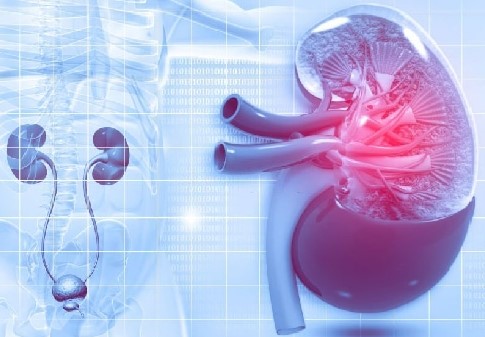
Urology is the branch of medicine that looks at diseases of the urinary system in both sexes and the genitourinary system (urinary system plus genital organs) in males. That means kidneys ,ureters ,bladder,sphincter muscles ,urethra in both sexes and.the male genital organs (the penis, scrotum and prostate gland) in males.
We always try to help you with rapid accurate diagnosis and immediate effective treatment with its State Of The Art Infrastructure for a wide range of urological and genital problems for both sexes. We focus on Non Invasive and minimally Invasive treatments.
UROLOGY
Stone / Prostatic Care / Tumour etc
- Phone:033-66050999
- Email:nhni@northcityhospital.com
ORTHOPAEDICS
Trauma/ Joint Replacement / Arthroscopy
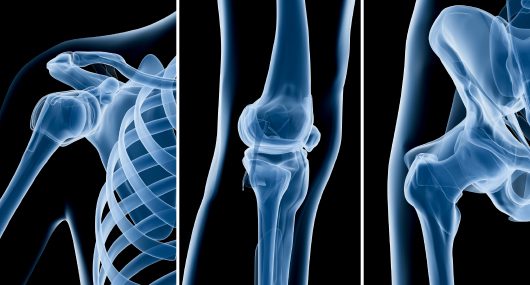
We understand that mobility is pivotal to a good life. We offer comprehensive approach to the diagnosis and treatment of problems related to Orthopaedics by our team approach-i.e. specialised Orthopaedic surgeons, consultants, nurses, physiotherapists, and occupational therapists working together to diagnose and treat your condition. Cohesive approaches will be advised and implemented to: Shorter hospital stay Less discomfort and post operative pain Faster recovery Patients can benefit from our minimally invasive techniques to reduce trauma and scarring while improving success rates
ORTHOPAEDICS
Trauma/ Joint Replacement / Arthroscopy
- Phone:+1 (859) 254-6589
- Email:info@example.com