Hepatitis
What is Hepatits?
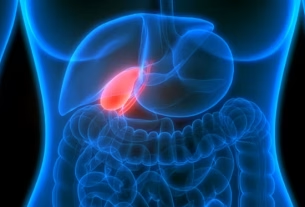
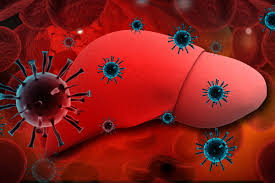
Hepatitis refers to the swelling of the liver. It can be caused by viral infections, chemicals, drug abuse, some medications and immune disorders. There are several forms of viral hepatitis including hepatitis A, B and C, which are caused by hepatitis A, B, and C viruses, respectively.
Each type of viral hepatitis is spread by different methods and needs different treatment.
Hepatitis A virus infection causes acute inflammation (swelling) of the liver and is a self-limiting disease with symptoms lasting for several weeks before the individual can recover completely. It leads to lifelong immunity.
Hepatitis B infection is the most common infection of the liver. The majority of infected individuals recover from acute hepatitis B infections and become immune to it. However some people can develop a long-term hepatitis B infection, which leads to serious complications including chronic hepatitis, liver cirrhosis (scarring of the liver), liver failure and liver cancer. Hepatitis B is endemic in Singapore and around 4% of the population are hepatitis B carriers.
Hepatitis C infection is responsible for the development of chronic liver disease worldwide. Most infected people can’t get rid of the virus, and thus the virus causes ongoing damage to the liver over the years. Similar to hepatitis B, hepatitis C can lead to chronic hepatitis, cirrhosis, liver failure and liver cancer.
CAUSES
Hepatitis A virus is transmitted through:
- Blood contact, drug use and sexual contact with infected persons
- Consuming shellfish from water contaminated with sewage
- Direct contact with food, drinks or objects contaminated with the faeces of an infected individual
- The “faecal-oral” route in areas of poor hygiene and overcrowding
Hepatitis B virus is mainly found in the blood, and it can also be found in semen and vaginal secretions. Hepatitis B can be acquired through:
- Infected expecting mothers can transmit the infection to their newborn during childbirth
- Other activities that involve contaminated blood entering the bloodstream of a susceptible individual
- Sharing contaminated injections among drug users
- Unsafe sexual contact with an infected person
Hepatitis C virus is mainly found in the blood and is transmitted when the blood of an infected person enters the bloodstream of a susceptible person, like drug users sharing contaminated needles.
SYMPTOMS
Some hepatitis patients are asymptomatic. However, the general symptoms may include any of the following:
- Abdominal pain or discomfort
- Dark urine
- Decreased appetite
- Fever
- Jaundice (yellowish skin and eyes)
- Tiredness
- Nausea and dizziness
- Oedema (swelling due to fluid build-up)
- Painful joints
- Pale stools
TREATMENT
Hepatitis A
There is no specific treatment for hepatitis A but there are treatment measures that help improve your condition:
- Avoid drinking alcohol
- Getting plenty of bed rest
- Increasing fluid intake
- Practising good personal hygiene to prevent faecal-oral transmission to other individuals
- Taking prescribed medication if your symptoms worsen
Hepatitis B
Treatment of hepatitis B depends on the symptoms and stage of your disease and includes:
- Anti-viral medication to stop the virus from replicating
- Medication to ease symptoms
Hepatitis C
Treatment of hepatitis C aims to delay its complications, and these include:
- Anti-viral medication to stop the virus from replicating
- Avoid drinking alcohol as it can increase the liver damage
- Regular screening for liver cancer for hepatitis C carriers, especially those who have liver cirrhosis (scarring of the liver)
COMPLICATIONS
- Liver cancer
- Liver cirrhosis
- Liver failure
- Early death
HEPATIC ENCEPHALOPATHY
What is Hepatic encephalopathy:It is a decline in brain function that occurs as a result of severe liver disease. In this condition, your liver can’t adequately remove toxins from your blood. This causes a buildup of toxins in your bloodstream, which can lead to brain damage.
Hepatic encephalopathy can be acute (short-term) or chronic (long-term). In some cases, a person with hepatic encephalopathy may become unresponsive and slip into a coma.
Types Of Hepatic encephalopathy
Acute hepatic encephalopathy develops because of severe liver disease. This mainly occurs in people with these conditions:
- Acute fulminant viral hepatitis. This is a severe type of viral hepatitis that comes on suddenly.
- Toxic hepatitis. Toxic hepatitis may be caused by exposure to alcohol, chemicals, drugs, or supplements.
- Reye’s syndrome. This rare and serious condition is primarily seen in children. It causes sudden swelling and inflammation of the liver and the brain.
Acute hepatic encephalopathy may also be a sign of terminal liver failure.
Chronic hepatic encephalopathy may be permanent or recurrent.
Those with the recurrent version will have multiple episodes of hepatic encephalopathy throughout their lives. They’ll also require continuous treatment to help prevent the development of symptoms. Recurrent cases are usually seen in people with severe cirrhosis, or scarring of the liver.
Causes Of Hepatic Encephalopathy
Your liver removes toxic chemicals such as ammonia from your body. These toxins are left over when proteins are metabolized or broken down for use by various organs in your body. Your kidneys change these toxins into safer substances that are then removed through urination.
When your liver is damaged, it’s unable to filter out all the toxins. Toxins can then build up in your bloodstream and potentially get into your brain. Toxic buildup can also damage other organs and nerves.
Hepatic encephalopathy may be triggered by:
- infections such as pneumonia
- kidney problems
- dehydration
- hypoxia, or low oxygen levels
- recent surgery or trauma
- medications that suppress your immune system
- eating too much protein
- medications that suppress your central nervous system, such as barbiturates or benzodiazepine tranquilizers
- electrolyte imbalance, especially a decrease in potassium after vomiting or taking diuretic
Symptoms of Hepatic encephalopathy
- confusion
- drowsiness or lethargy
- anxiety
- seizures
- severe personality changes
- fatigue
- confused speech
- shaky hands
- slow movements
Get emergency medical help right away if you develop symptoms of severe hepatic encephalopathy. These symptoms can lead to a coma if they’re not treated quickly.
Treatments of Hepatic encephalopathy
Treatment options for hepatic encephalopathy depend on the severity and underlying cause of the condition.
You’ll likely need to eat less protein if eating too much protein caused the condition. Since protein is necessary for your body to function properly, a dietician or doctor can create a diet that’ll allow you to get enough protein without making your symptoms worse. High-protein foods to avoid include:
- poultry
- red meat
- eggs
- fish
Medications can also help slow the rate at which your blood absorbs toxins. Your doctor may prescribe antibiotics and lactulose (Enulose), a synthetic sugar. These medications can draw ammonia, created by intestinal bacteria from your blood, into your colon. Your body will then remove the blood from your colon.
In severe cases that cause difficulty breathing, a ventilator or oxygen mask may be necessary.
Some people with the condition may be eligible to receive a liver transplant.
People with chronic hepatic encephalopathy have better recovery rates than those with the acute version of the condition. The rate of recovery increases if you receive treatment before the condition gets worse.
Hepatic encephalopathy and its symptoms can be reversible with proper treatment.
The best way to prevent hepatic encephalopathy is to prevent or manage liver disease. You can lower your chances of getting liver disease by taking these steps:
- Avoid alcohol or consume it in moderation.
- Avoid high-fat foods.
- Maintain a healthy weight.
- Don’t share contaminated needles.
To avoid getting viral hepatitis:
- Wash your hands well after using the bathroom or changing a diaper.
- Don’t share contaminated needles.
- Avoid close contact with people diagnosed with viral hepatitis.
- Get vaccinated against hepatitis A and hepatitis B.